Top Historic Castles in Northern Portugal: Architecture & Travel Guide

April 3, 2026 - Culture

Explore the top castles in Northern Portugal, where medieval fortresses showcase rich architecture, history, and cultural heritage.

The Timeless Legacy of Portuguese Architecture

Northern Portugal is home to some of the top castles in Portugal, where centuries-old fortresses stand as symbols of history, culture, and regional identity. From medieval strongholds guarding strategic hilltops to romantic landmarks surrounded by lush landscapes, these castles reflect the richness of Portuguese architecture and heritage.

Throughout history, castles in Northern Portugal played a vital role in shaping the country's political and military landscape. Built to defend territories, protect trade routes, and assert royal authority, these fortresses became central elements of Portuguese architectural heritage.

Today, these historic castles are far more than relics of the past. They have become important cultural and economic assets, attracting visitors from around the world who seek to experience Portugal’s rich history, unique architecture, and timeless landscapes. Cities such as Braga and Guimarães, often considered the cultural heart of Northern Portugal, continue to showcase how these castles contribute to heritage preservation and tourism development.

Characteristics of Portuguese Castle Architecture

The beauty of Portuguese castles lies in the way architecture blends military functionality with artistic design. While each castle is unique, many share recognizable structural elements that define Portuguese architecture.

Key Architectural Features

Most castles across Northern Portugal were designed with strong defensive characteristics, including:

  • Granite stone construction, chosen for durability and strength
  • Massive fortified walls designed to resist enemy attacks
  • Watchtowers that provided panoramic views of surrounding landscapes
  • Strategic hilltop locations for maximum visibility and defense

These elements allowed castles to function effectively as military fortifications while also shaping their dramatic visual presence.

Architectural Influences Over Time

Romanesque Foundations

Early castles were heavily influenced by Romanesque architecture, characterized by:

  • Solid, heavy structures
  • Small windows
  • Rounded arches

This style emphasized strength and functionality.

Gothic Evolution

Later developments introduced Gothic elements, including:

  • Taller and more vertical structures
  • Pointed arches
  • More intricate stonework

This added elegance to otherwise rigid military designs.

Manueline and Romantic Touches

During Portugal’s Age of Discovery, decorative Manueline elements began to appear, inspired by maritime exploration.

Centuries later, the Romantic movement reimagined castles as artistic landmarks, emphasizing:

  • Decorative towers
  • Dramatic silhouettes
  • Picturesque surroundings

Northern Portugal: The Birthplace of a Nation

Northern Portugal is often considered the cradle of the Portuguese nation. The historic city of Guimarães played a central role in the country’s foundation, as it was closely linked to Afonso Henriques, Portugal’s first king.

During the medieval period, this region was strategically vital. Castles were built across hills and valleys to defend territories and monitor key routes, especially during the Reconquista.

Today, the region is one of Portugal’s top destinations for heritage tourism, where visitors can explore medieval towns, historic landmarks, and remarkably preserved castles.

If you're planning to explore the region, here are some of the best castles in Northern Portugal you should visit, each offering a unique blend of architecture, history, and cultural significance.
Top Castles in Northern Portugal You Should Visit

Montalegre Castle: A Guardian of the Northern Highlands

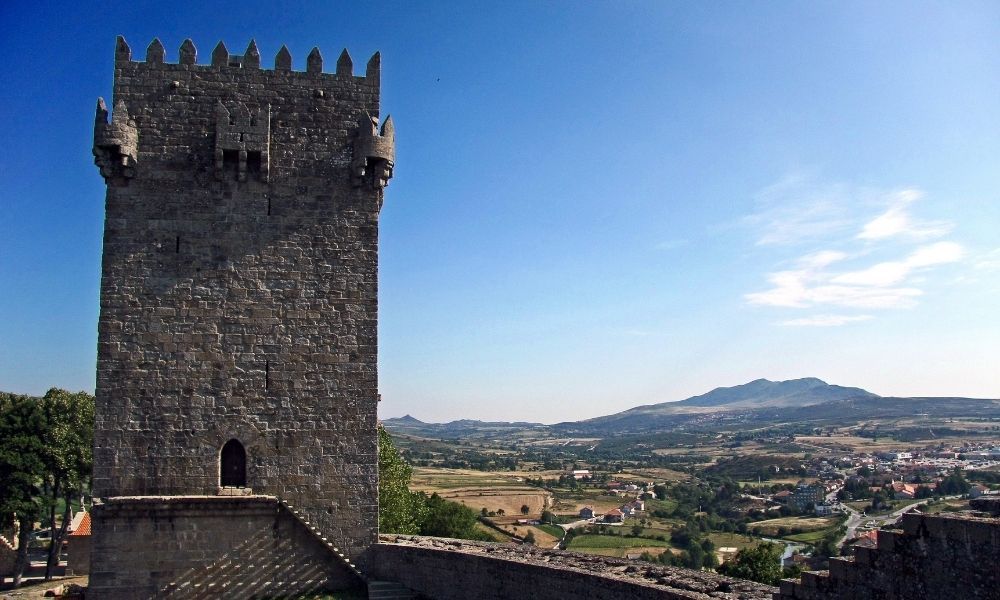
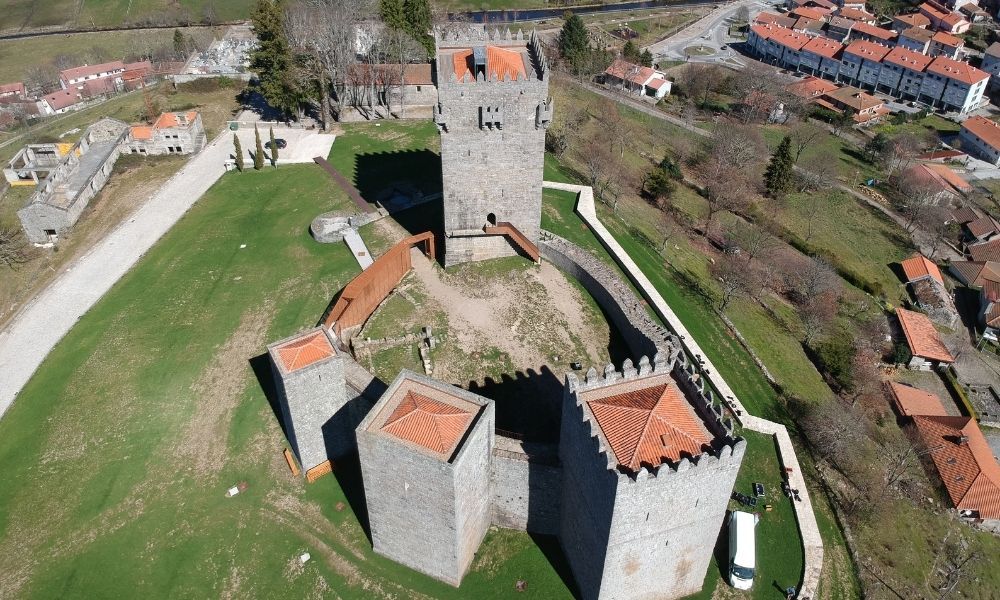
Among the top castles in Northern Portugal, Montalegre Castle stands as a striking fortress overlooking the rugged landscapes of Northern Portugal. Built in a strategic location, the castle once played a crucial role in defending the region and controlling important cross-border routes.

The structure reflects the strength and functionality of medieval Portuguese military architecture. Its solid granite walls, fortified towers, and elevated position provided a strong defensive advantage against potential invasions. At the heart of the castle lies the keep, which served as both a lookout point and a final line of defense.

Surrounding the castle, visitors can explore the charming village of Montalegre, where traditional stone houses and cultural heritage remain well preserved. The area is also known for its deep-rooted folklore and local traditions, adding a unique cultural dimension to the historical site.

Today, Montalegre Castle stands not only as a symbol of Portugal’s defensive past but also as a key attraction in Northern Portugal’s cultural tourism landscape. Its combination of history, architecture, and scenic surroundings makes it a compelling destination for travelers seeking an authentic heritage experience.

Castelo de Guimarães: The Birthplace of a Nation

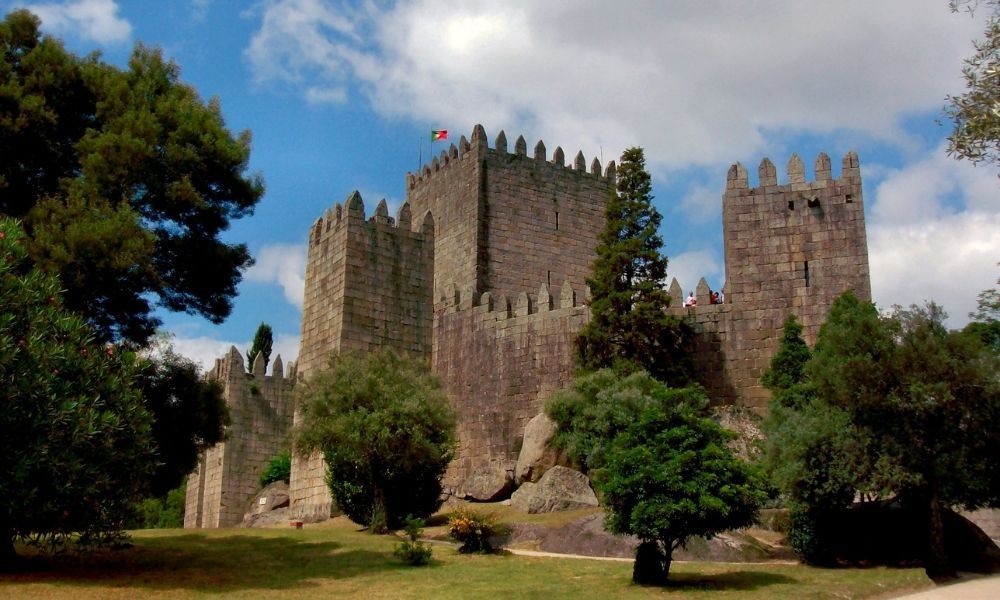
Among the most famous castles in Northern Portugal, Castelo de Guimarães is often called the birthplace of the Portuguese nation. Built in the 10th century, this castle played a central role in the early formation of Portugal.

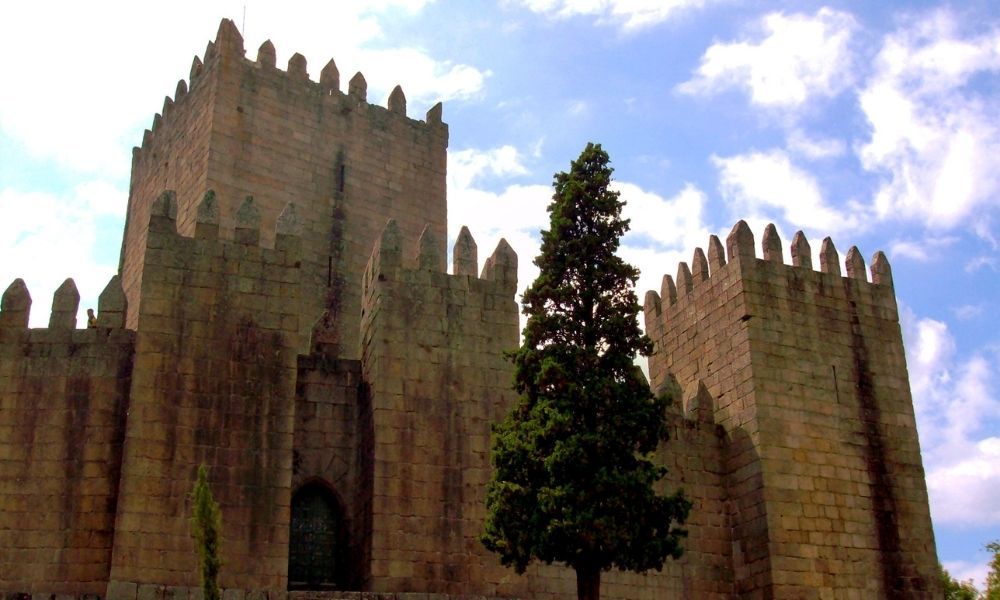
The fortress features thick granite walls reinforced by square towers and defensive battlements. Walking along the ramparts offers breathtaking views of the historic city below.

Inside the castle grounds, visitors feel transported back to medieval times. The structure’s design reflects a clear military purpose, yet its balanced layout and stone craftsmanship highlight the artistry behind Portuguese architecture.

The castle’s historical importance goes beyond its walls. It represents the early struggle for independence and the emergence of Portuguese identity.

Castelo Dona Chica: A Unique Architectural Landmark

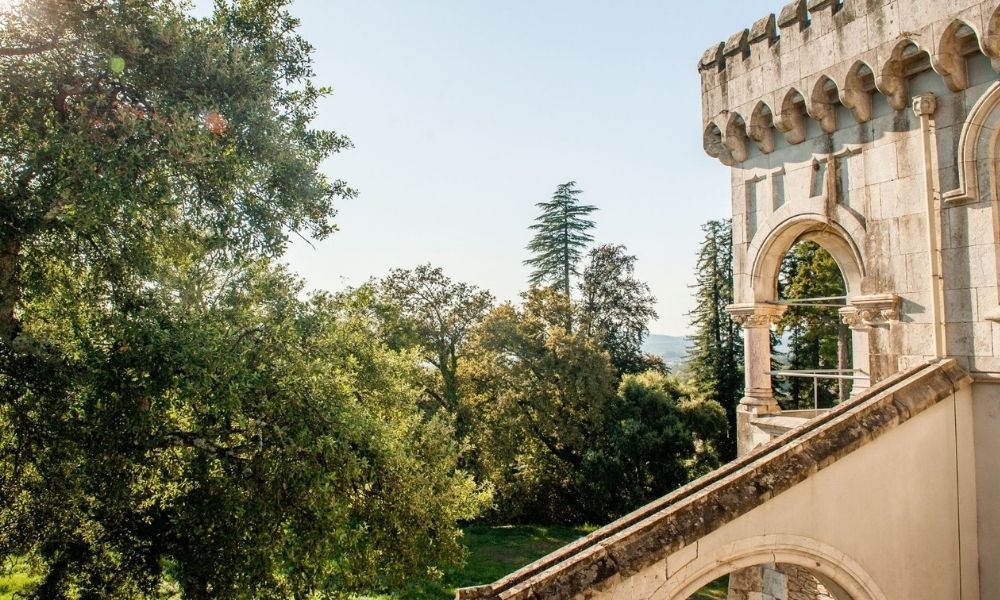
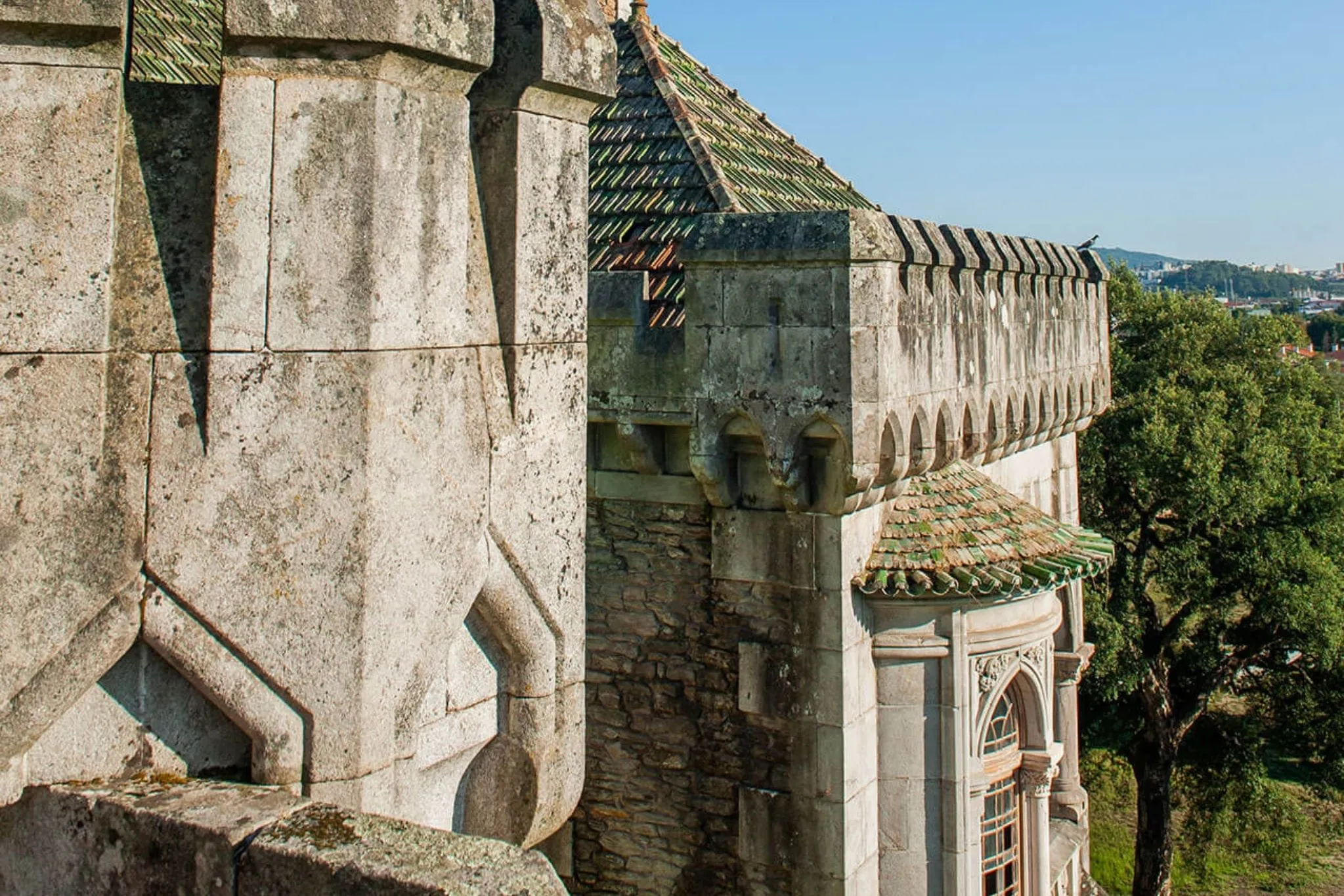
As one of the most unique castles in Northern Portugal, Castelo Dona Chica stands out as one of the most distinctive romantic landmarks in Northern Portugal. Located near Braga, this fairytale-like castle reflects a unique blend of artistic vision, historical inspiration, and architectural creativity.

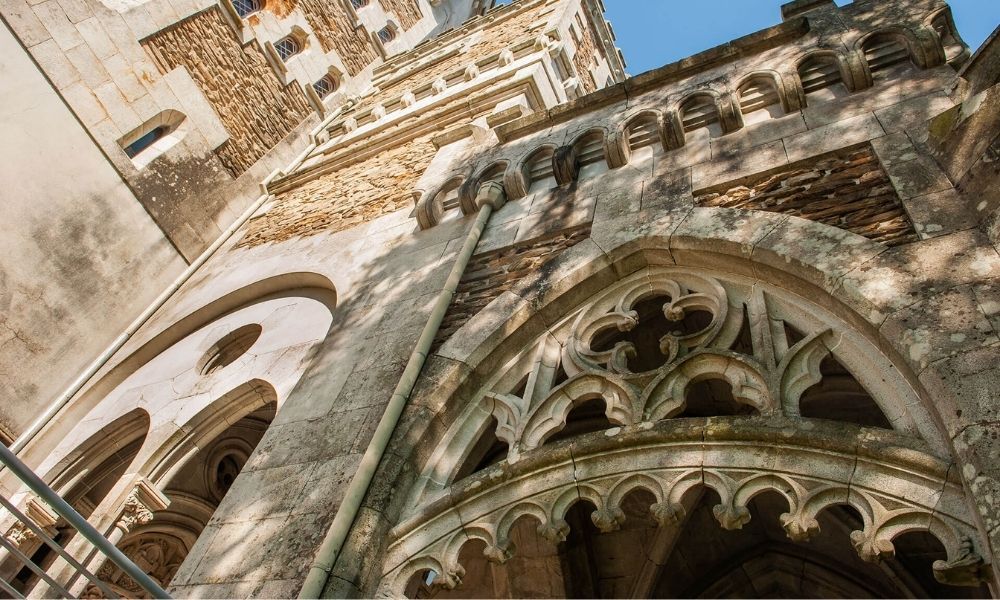
Originally conceived in 1915 by architect Ernesto Korrodi, the castle was designed as a “Provincial Noble House,” combining medieval influences with early 20th-century elegance. Unlike traditional fortresses, its eclectic composition features Neo-Gothic, Art Nouveau, and Renaissance elements, creating a structure that feels both imaginative and timeless.

Today, Castelo Dona Chica is undergoing a carefully planned and complete restoration, bringing new life to a once unfinished architectural masterpiece. The project aims to preserve its historical identity while transforming it into a refined cultural and hospitality destination, reconnecting the castle with its original vision.

Set within lush gardens filled with exotic species and surrounded by tranquil landscapes, the castle offers more than architectural beauty. It represents a journey of revival. As the restoration progresses, Castelo Dona Chica is gradually emerging as a future icon of cultural tourism in Northern Portugal, where heritage, design, and immersive experiences come together.

Why Castles Matter: Cultural and Economic Impact

Castles in Northern Portugal are not just historical landmarks. They are key cultural and economic assets that continue to shape the region.

Cultural Importance

They represent:

  • Portugal’s royal and military history
  • The struggle for independence
  • Centuries of architectural evolution

Many castles are protected as national heritage sites, ensuring their preservation for future generations.

Tourism and Local Economy

Castles play a major role in attracting visitors to the region. Today, many have been transformed into:

One notable initiative is the Pousadas de Portugal program, which converts historic buildings into luxury accommodations while preserving their authenticity.

Preserving Heritage Through Hospitality and Tourism

The preservation of historic castles depends not only on conservation but also on their ability to remain relevant in modern times. Hospitality and tourism have become effective ways to keep these landmarks alive.

Places like Castelo Dona Chica show how historic architecture can be restored and repurposed while preserving its cultural character. Restoration projects focus on protecting original elements such as stone walls, towers, and decorative details, while carefully integrating modern comforts.

This approach allows travelers to experience something truly unique: staying inside a historic castle while enjoying contemporary hospitality. For many visitors, it becomes a meaningful way to connect with Portugal’s rich past.

Experience the Magic of Northern Portugal’s Castles

Exploring the top castles in Northern Portugal is like stepping back in time. Each destination offers a unique blend of architecture, history, and breathtaking scenery, making them must-visit landmarks for travelers seeking an authentic cultural experience.

Whether you are walking along ancient walls, discovering hidden medieval villages, or staying in a restored castle, the experience is both immersive and unforgettable.

Plan your journey through Northern Portugal and discover how these timeless castles continue to shape the region’s cultural and architectural identity.

Castles in Northern Portugal- FAQs

  • 1. Why are castles important in Northern Portugal?

  • 2. Can you visit castles in Northern Portugal?

  • 3. What is the most famous castle in Northern Portugal?

  • 4. What architectural styles are found in Portuguese castles?

  • 5. When is the best time to visit castles in Northern Portugal?